Printing Products Built for Professional Presentation
From offset printed labels and cartons to roll-form labels and premium finishing, Balaji Arts produces print products for businesses that value quality, consistency and presentation.

Offset Printing
Sheet-fed offset — the right process when quantity, colour consistency and a clean finish matter. Labels, stickers, cartons, brochures and promotional print, produced a page at a time.




Roll Form Printing
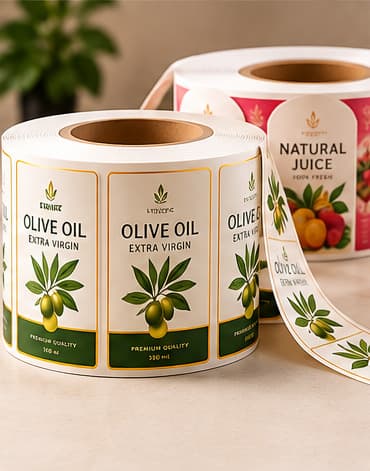
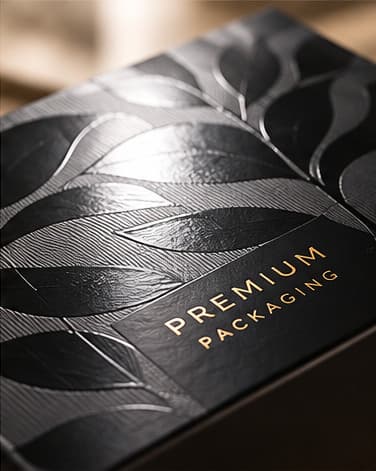
Printed on a continuous web and wound for the machine that uses it — roll-form labels, plus premium finishing: UV stamping and varnish.

Made to present well.
The product is the point. Everything is produced to the requirement in front of us — and finished so it reads as professional work.
- Print quality
- Clean registration and colour held steady from the first proof to the next reprint.
- Finishing
- Lamination, spot UV, foil, UV stamping and varnish — applied with care, not as an afterthought.
- Consistency
- The same result, order after order, so a brand looks the same everywhere it appears.
- Presentation
- Work that is meant to look considered in the hand and on the shelf.
- Requirement-based production
- Produced to your specification — stock, size, finish and quantity worked out together.
Have something specific in mind? Tell us the piece, the finish and the quantity — we will work out the rest.
Have a printing requirement?
Share your requirement with Balaji Arts and discuss the right printing or packaging solution.