Three decades of print.
A press floor that still answers its own phone — where the person who takes your call is the person who checks the sheet.
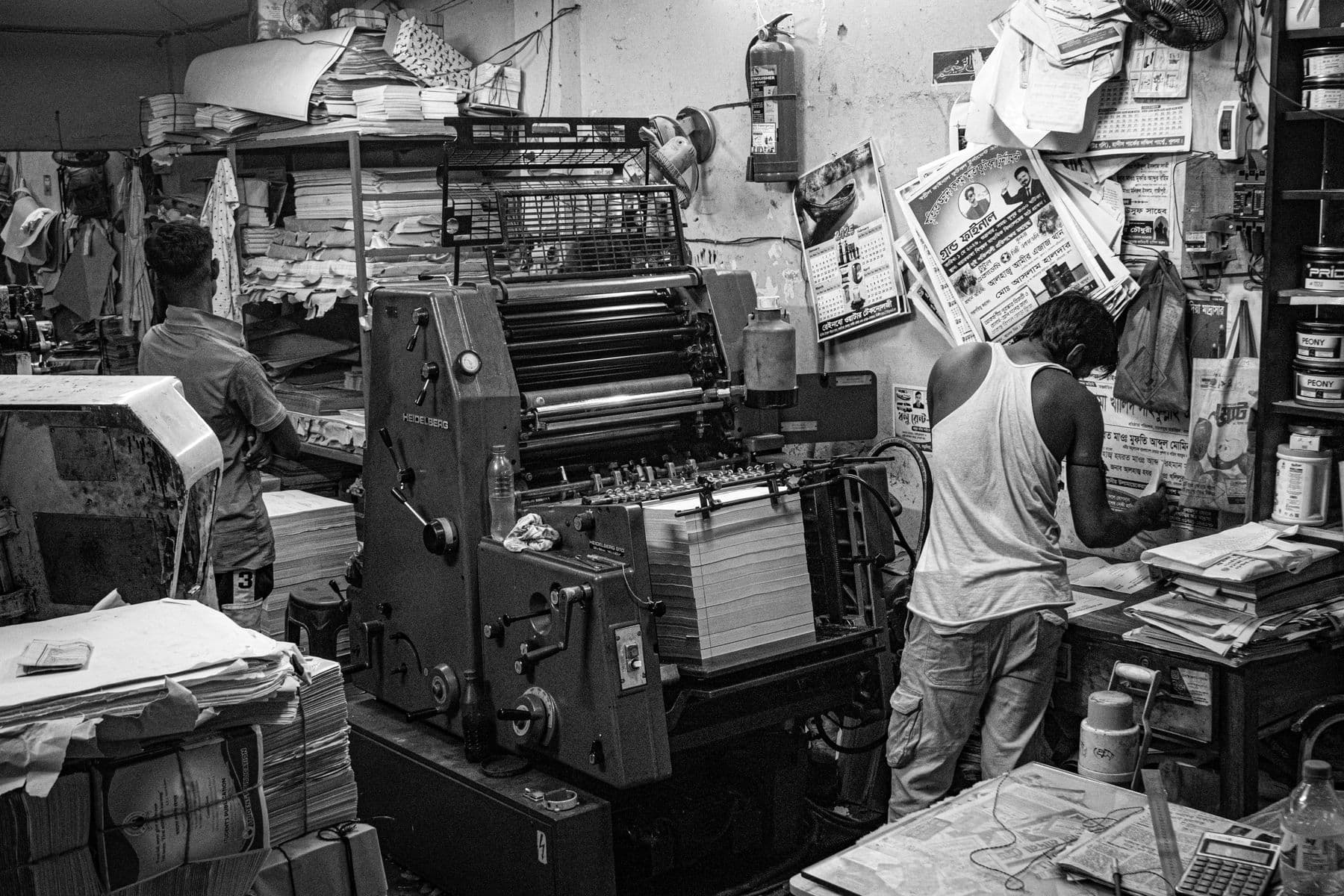
It started with the press
The business began where most print businesses begin: one machine, a small floor, and jobs won by turning work around properly when someone needed it.
Labels and packaging followed
Customers who came for letterheads started asking for the label that went on the bottle, and then the carton the bottle went into. The catalogue grew because customers pulled it that way.
The same people are still on the floor
Balaji Arts never became a business where the person quoting the job and the person running it are different people. That is deliberate, and it is why the answers you get are direct.
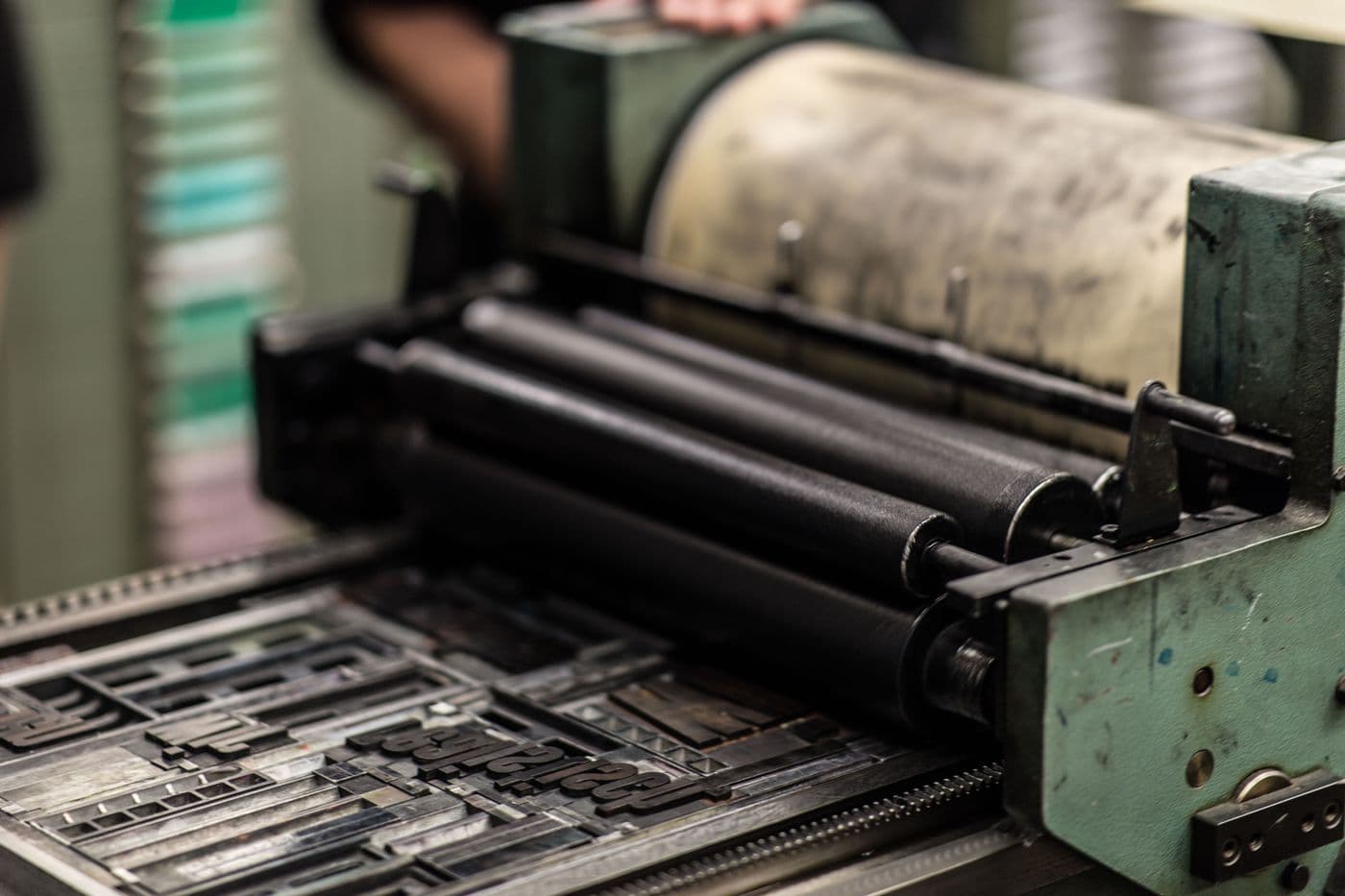
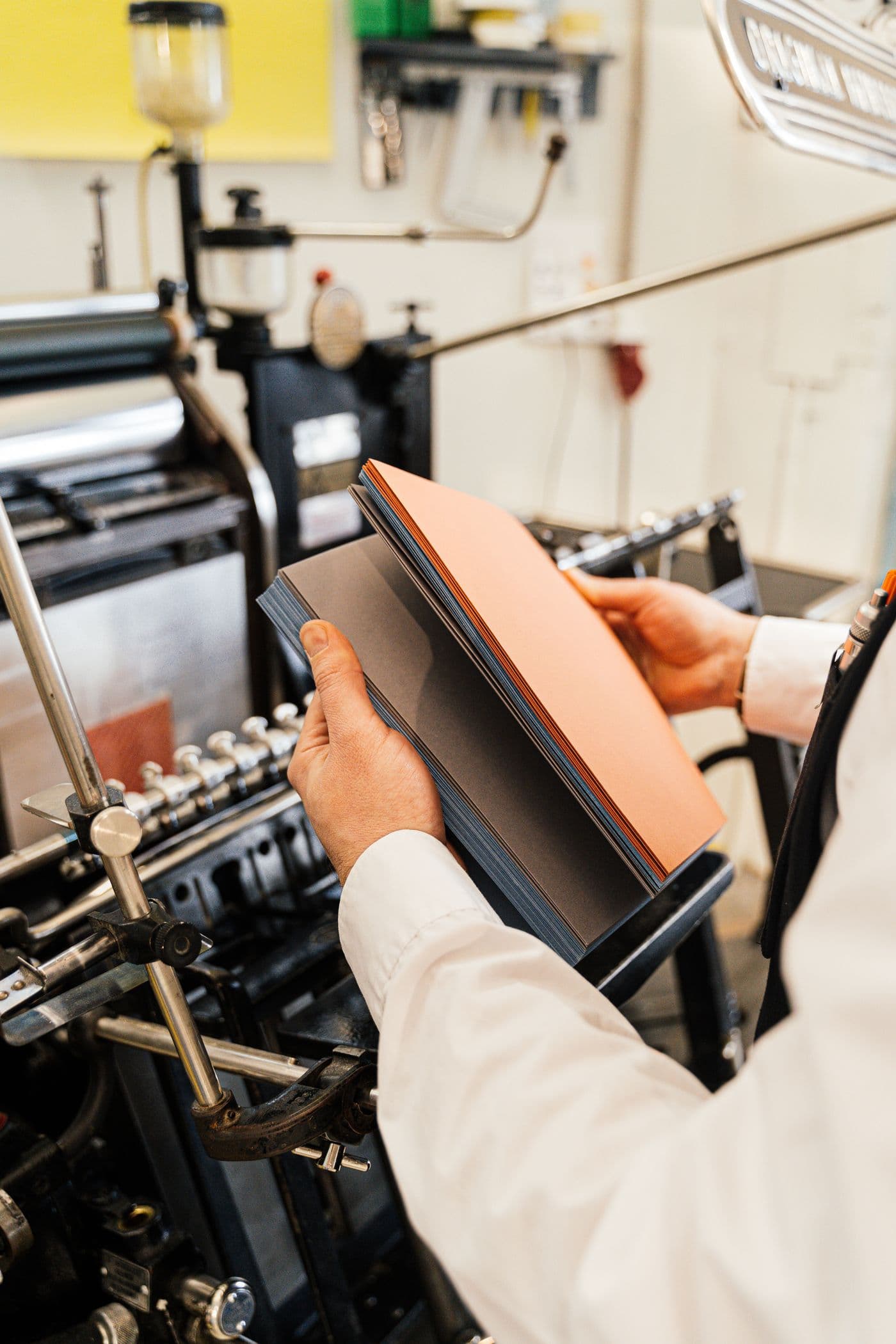
Three things that decide whether a print job goes well.
Approve before you print
Colour and die-lines are signed off on a proof, not discovered on delivery. It is the cheapest possible moment to find a problem, and the last one where fixing it is free.
The substrate decides everything
Most label failures are not print failures. They are the wrong adhesive on the wrong surface for the wrong environment. Getting that conversation right up front saves the whole job.
The reprint has to match
Anyone can print a good first run. The test of a printer is whether batch four still matches batch one — which is why colour targets are kept and referenced, not re-guessed.